
Resources
Clinical & Technical Information on Hyperbaric Oxygen Therapy at OxyGeneration
Facility & Equipment
OxyGeneration operates a medical-grade multi-place hyperbaric chamber for the delivery of planned, non-emergency hyperbaric oxygen therapy (HBOT).
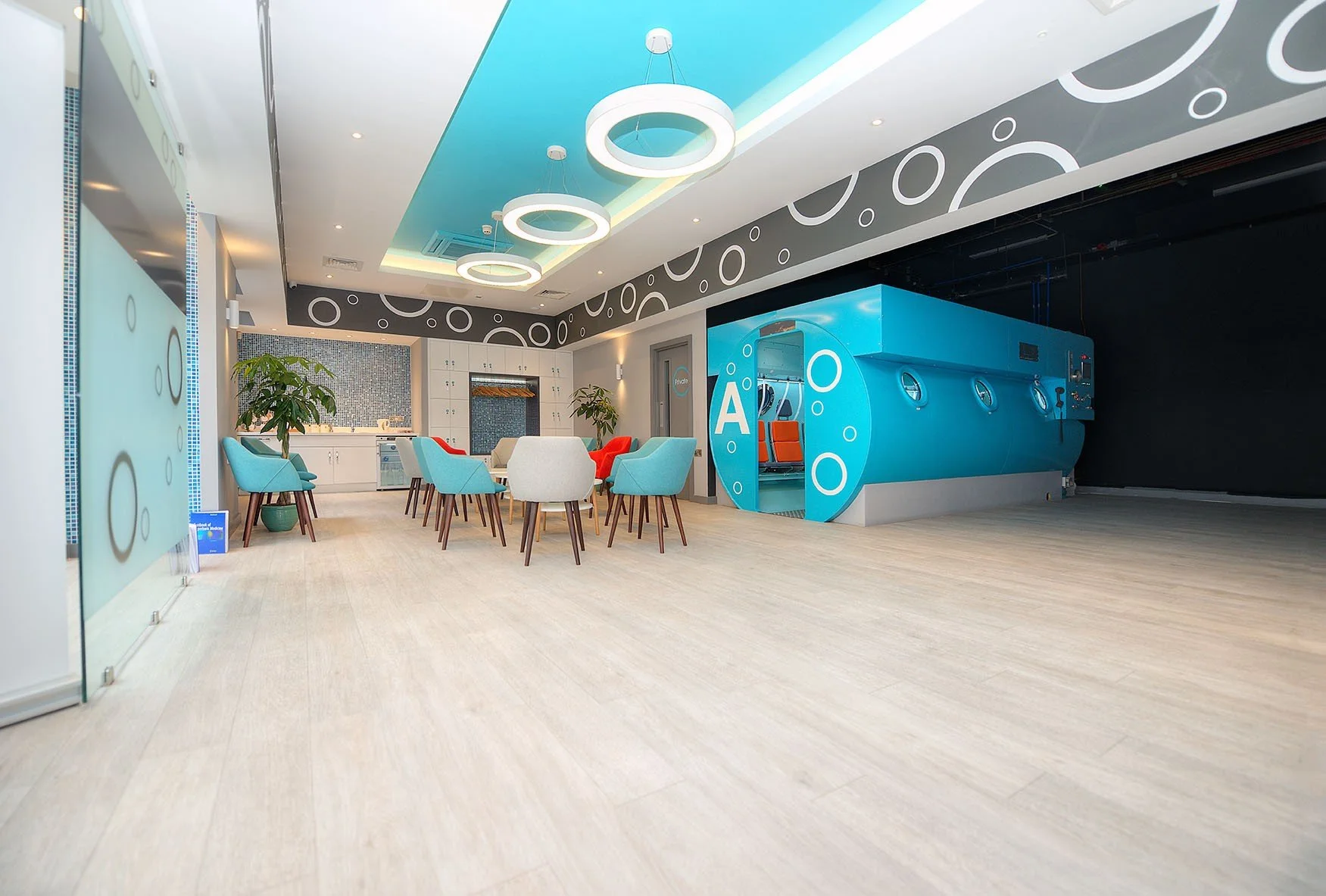
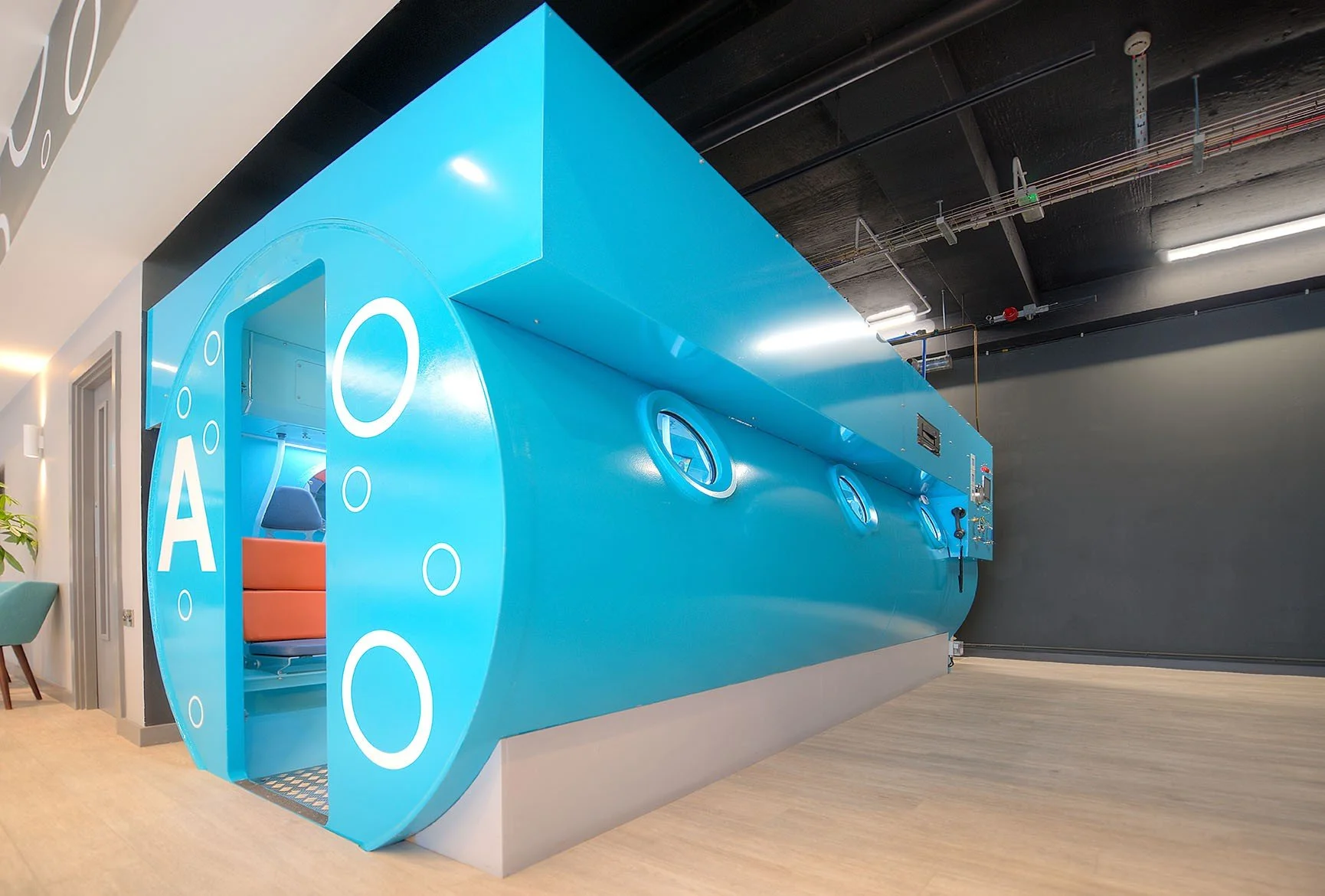
The chamber is a 14-seat hard-shell multi-place system manufactured by SMP Ltd (UK), a supplier of hyperbaric systems used in clinical, commercial diving and rescue environments. It is a CE-marked medical device manufactured by an ISO-certified supplier.
Oxygen is generated on site using an INMATEC PO-3000 concentrator. The system produces oxygen within the range defined for Oxygen 93 (93% ±3%) and is designed for medical and breathing gas applications, in accordance with the European Pharmacopoeia monograph for Oxygen 93. The system complies with BS EN 12021:2014, confirming suitability for human respiration and defined contaminant limits.
The chamber is pressurised with filtered air meeting recognised breathing air standards and the oxygen is delivered to the occupants via individual breathing masks within the chamber.


Treatment Protocol
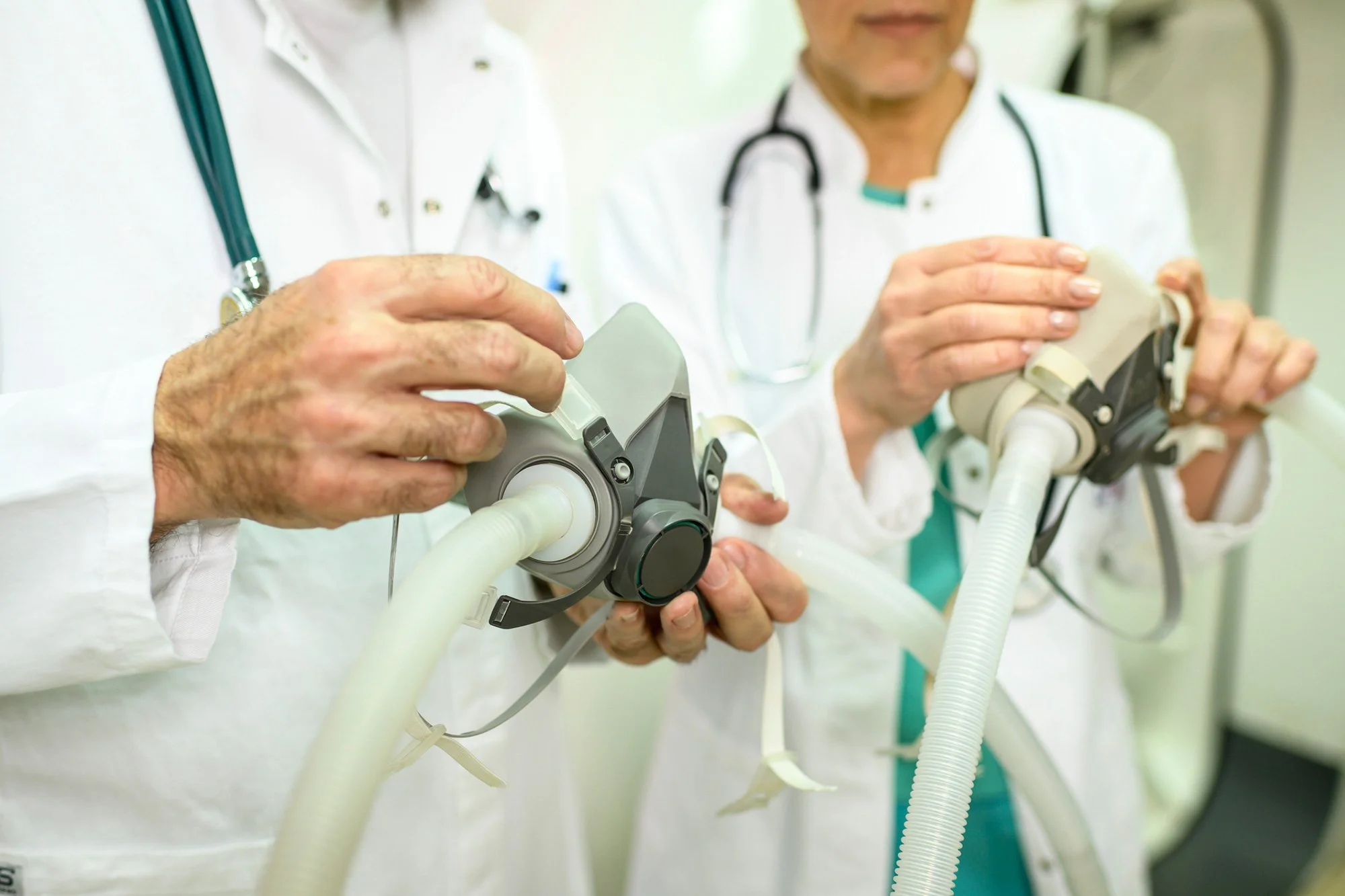
Hyperbaric oxygen therapy (HBOT) involves breathing oxygen under increased atmospheric pressure within a chamber. International guidance, including the European Code of Good Practice, defines HBOT based on pressure, oxygen exposure, and treatment duration.
At OxyGeneration, sessions are delivered at 2.0 atmospheres absolute (ATA) for 60 minutes using Oxygen 93.
Treatment pressures of 2.0 ATA fall within the range described in international hyperbaric practice guidance, including publications from the Undersea and Hyperbaric Medical Society (“UHMS”) and the European Committee for Hyperbaric Medicine, and falls within the range commonly applied in protocols for conditions such as: chronic or non-healing wounds, radiation tissue injury and diabetic foot ulcers.
Treatment protocols are adapted according to clinical context, referral information and safety screening. Higher oxygen concentrations and alternative pressure protocols are typically used in hospital-based emergency hyperbaric units.
Physiological Basis
HBOT involves breathing high-concentration oxygen under increased ambient pressure.
According to Henry’s Law, the amount of gas dissolved in a liquid increases with its partial pressure. At 2 ATA, arterial oxygen partial pressure (PaO₂) may rise to approximately 900–1200 mmHg, substantially increasing oxygen dissolved in plasma, independent of haemoglobin carriage.
This raises tissue oxygen tension and improves oxygen diffusion into hypoxic but perfused tissues.
Improved tissue oxygen availability supports cellular metabolism where oxygen delivery is impaired by ischaemia, oedema or microvascular dysfunction.

Hyperoxia also produces recognised physiological effects, including:

Vasoconstriction with maintained oxygen delivery, which can reduce tissue oedema

Enhanced neutrophil oxidative killing

Support of angiogenesis, fibroblast activity and collagen synthesis
The relative contribution of these mechanisms varies depending on the underlying pathology and treatment protocol.
Maintenance, Monitoring and Safety

The chamber operates under a planned preventative maintenance programme.
Equipment is inspected and serviced by specialist high-pressure systems engineers
Continuous monitoring occurs during sessions
Fire safety, oxygen safety and emergency procedures are formally documented and regularly reviewed
Pressure Testing

Where appropriate, OxyGeneration can perform short, controlled pressure exposures (“pressure tests”) for individuals who are uncertain whether they can comfortably equalise middle ear pressure or tolerate the chamber environment.
These may be helpful for individuals with chronic ear conditions, difficulty equalising pressure, or concerns about claustrophobia.
Clients attending their first HBOT session arrive approximately 45 minutes in advance to receive instruction in ear pressure equalisation techniques (e.g. Valsalva or Toynbee manoeuvres) and a briefing on safe pressurisation procedures.
Service Scope
OxyGeneration operates as a non-emergency hyperbaric oxygen therapy service.
The service:
provides planned HBOT sessions in a non-hospital environment
does not provide diagnostic services
does not prescribe treatment
does not manage acute medical emergencies
Conditions requiring emergency hyperbaric treatment (e.g. decompression illness, arterial gas embolism or carbon monoxide poisoning) are managed through hospital-based hyperbaric units and fall outside the scope of this service.
The OxyGeneration Chamber
The OxyGeneration chamber is a single-door design, which is a commonly used configuration for non-emergency HBOT. The chamber at University Hospital Galway is a double-door (airlock) design, intended for emergency and higher-pressure treatments when a clinician may need to enter or exit, via the airlock, while the chamber remains under pressure. This configuration is not required for non-emergency HBOT.
The service does not treat minors.
Contraindications

The primary absolute contraindication to HBOT is untreated pneumothorax.
All clients must complete a structured safety screening process pre-treatment to identify any potential relative contraindications or cautions to hyperbaric exposure. Where appropriate, medical clearance from the patient’s treating physician or a specialist is required before treatment can proceed.
Role in Patient Care

HBOT delivered by OxyGeneration is intended to complement existing medical care, not replace it. OxyGeneration provides the operational delivery of hyperbaric oxygen exposure within defined safety parameters. Responsibility for diagnosis, treatment planning and ongoing medical management remains with the treating clinician.
Referrals and Medical Clearance

Clients may attend following medical referral or may self-refer.
All clients complete a pre-treatment screening questionnaire.
Where the pre-treatment screening identifies a relative contraindication or medical caution, written medical clearance from the client’s treating physician is required before treatment can commence.
Referral letters are used solely to confirm suitability for non-emergency hyperbaric exposure. Clinical responsibility remains with the treating clinician.
Training and Educational Resources
Operational staff at OxyGeneration are trained in hyperbaric chamber operation, safety procedures and client monitoring through specialist providers and operate within defined competency frameworks.
Training Partner
One training partner is Wound Care Education Partners (WCEP) (https://www.woundeducationpartners.com/) .
WCEP are an UHMS-approved provider of HBOT training and provide both on-demand and live-stream courses in hyperbaric medicine principles, wound care, chamber operations and oxygen safety. Clinicians interested in further training may access their courses here.
A discount code is available on request from OxyGeneration. Please email info@oxygeneration.com with the subject heading “WCEP Discount Code”. This code is only available to individuals based in the Republic of Ireland.

References
The references below are of published research in hyperbaric medicine for health professionals. These materials are intended as introductory educational resources and do not constitute medical advice or treatment recommendations.
[References temporarily unavailable]